Repellents should be used as short-term movement modifiers within a broader pest-control plan. They deter activity briefly but do not lower populations because rats habituate and survivors repopulate. Combine repellents to funnel rats into mapped trap corridors bed bugs spray, secure baited traps, and rotate scents to reduce habituation. Simultaneously seal entry points, remove food and shelter, and monitor trends with logs. Maintain regular inspections and escalate to professionals for persistent breaches—more practical tactics and stepwise protocols follow.

Why Repellents Alone Rarely Solve Rat Problems
Although repellents can temporarily deter rats, they rarely resolve infestations because rodents adapt quickly to persistent, non-lethal stimuli and will exploit remaining food, water, and shelter. The literature shows repellents alter behavior short-term but rarely shift population dynamics; survivors reproduce and colonize vacated niches https://igreenasia.com/. Behavioral conditioning can reduce nuisance actions but cannot substitute for interventions that change resource availability or access. Effective innovation integrates repellents as modulators, not cures: deploy them to shape movement patterns while concurrently addressing habitat, sanitation, and exclusion. Monitoring metrics should focus on abundance trends, not just immediate avoidance. Pragmatic plans rely on iterative assessment, adaptive tactics, and ecological understanding to drive down rat numbers sustainably rather than chasing transient deterrence effects.
Pairing Repellents With Trapping: Strategies That Work
By pairing targeted repellents with strategically placed traps, pest managers can use repellents to steer rat movement into capture zones rather than relying on deterrents alone; evidence-based deployments reduce trap avoidance and increase catch rates when repellents are applied to non-target pathways and refugia while leaving baited approaches accessible. The approach combines scent rotation with placement mapping to create predictable corridors leading to traps. Practical steps are:
Pair targeted repellents with strategic trap placement to funnel rats into capture corridors using scent rotation and mapping.
- Map activity: locate runways, burrows, feeding sites; designate trap corridors.
- Rotate repellents: alternate olfactory cues on perimeters and refugia to prevent habituation and funnel rats.
- Calibrate trap exposure: secure bait and trap visibility in designated corridors while repellents block alternative exits.
Data collection and iterative placement mapping optimize efficacy.
Exclusion Techniques to Keep Rats Out Permanently
In rat management, exclusion focuses on denying access to food, water, and shelter through physical barriers and site hardening, delivering long-term reduction in infestation risk when properly implemented. Exclusion prioritizes sealing entry points with durable materials: galvanized steel mesh, concrete, and heavy-gauge door sweeps to withstand gnawing. Strategic hardware upgrades—hinges, vents, and utility penetrations—prevent opportunistic breaches. Rooflines, soffits, and foundations warrant systematic inspection and repair. Innovations include modular metal collars for pipe penetrations and sensor-validated seals to confirm integrity. Perimeter defenses integrate with landscape redesign to remove rat runways while preserving aesthetics: low-plant buffers, gravel belts, and hardened compost enclosures. Exclusion complements repellents and trapping by eliminating reinvasion routes; maintenance schedules and verification audits sustain permanent exclusion outcomes.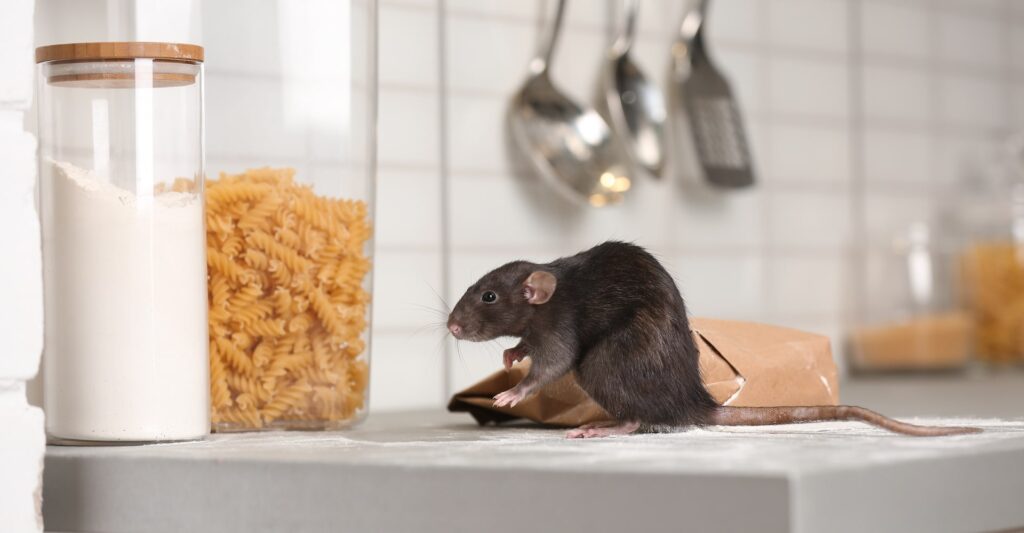
Sanitation and Habitat Modification to Reduce Attraction
Following exclusion measures, attention shifts to reducing the environmental attractants that draw rats to a site in the first place. Practical sanitation and habitat modification lower resource availability and pressure populations toward inhospitable conditions. Strategies prioritize source reduction, routine removal, and design changes that are scalable and measurable.
- Clear food sources: secure waste, remove open pet food, and seal compost to deny nutrition.
- Reduce clutter: streamline storage, elevating materials and eliminating ground piles that invite nesting.
- Remove harborages: trim vegetation, seal debris piles, and redesign drainage to eliminate sheltered microhabitats.
These interventions, supported by urban ecology studies, synergize with repellents and exclusion. Innovation focuses on durable, low-maintenance alterations that permanently shift habitat suitability away from rats.
Monitoring, Maintenance, and When to Call Professionals
Regularly scheduled inspections and data-driven recordkeeping guarantee that repellent and habitat modifications remain effective over time. The text recommends integrating seasonal monitoring into a digital log, tracking activity, bait interactions, and environmental changes. Metrics guide targeted reapplication of repellents and recalibration of exclusion measures, reducing waste and resistance risks. Long term maintenance protocols include roofline and foundation checks, vegetation control, and scheduled device servicing to sustain deterrent efficacy. Threshold-based decision rules define when to escalate: persistent activity despite corrective steps, structural breaches, or public-health concerns trigger professional intervention. Certified pest technicians provide integrated assessments, rodent-proofing upgrades, and compliant pesticide application. The approach emphasizes measurable outcomes, adaptive schedules, and cost-effective escalation to preserve system performance.
Conclusion
Repellents can play a useful role but are rarely sufficient alone; integrated strategies yield the best outcomes. Combining targeted repellents with strategic trapping, robust exclusion (sealing entry points), and rigorous sanitation reduces population pressure and prevents reinfestation. Regular monitoring and maintenance sustain results, and professional intervention should be sought for large or persistent problems. Evidence supports a layered, preventive approach that treats underlying attractants while directly reducing rat numbers for durable control.


0 Comments